Original: $17.95
-65%$17.95
$6.28The Story
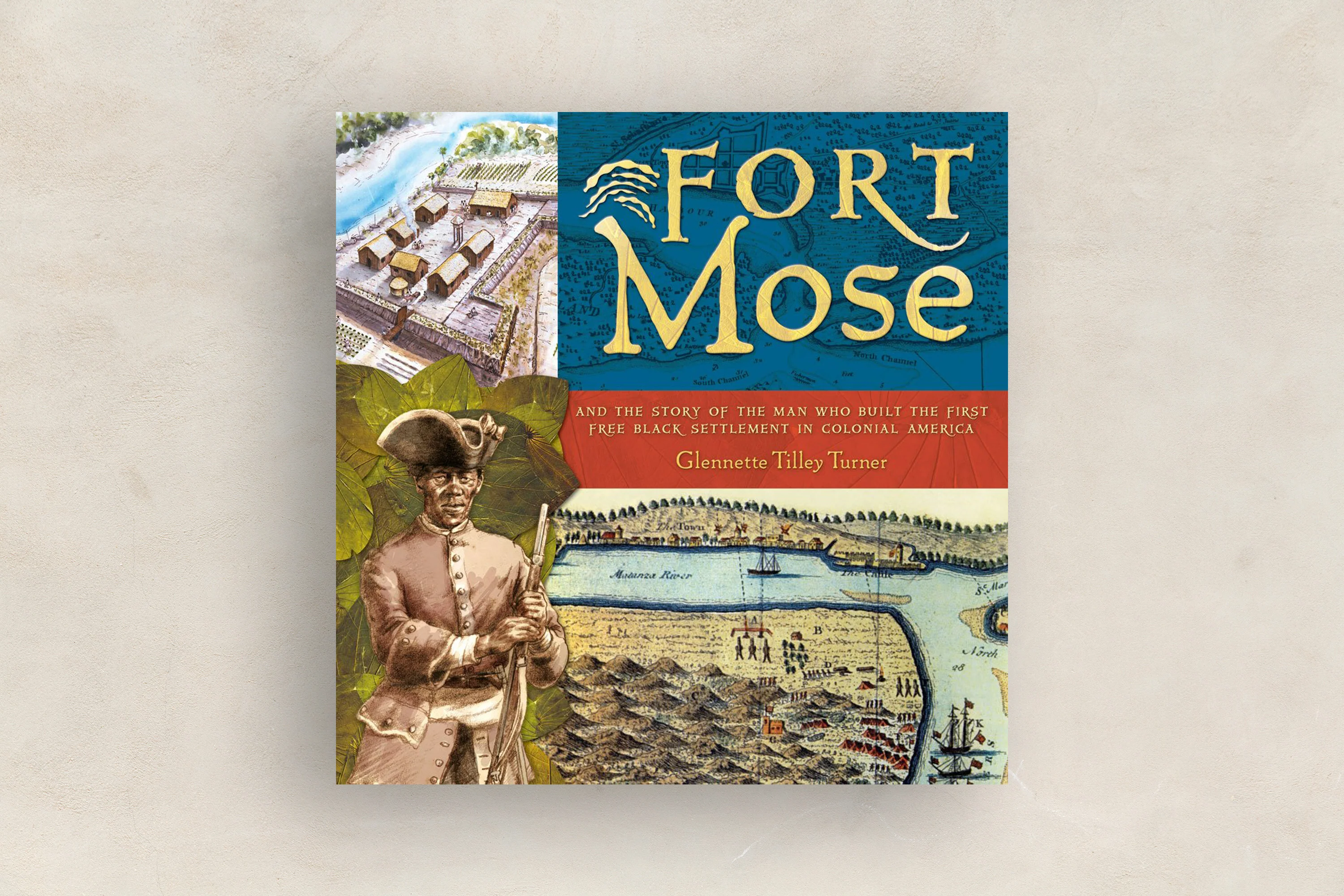
In this one-of-a-kind historical picture book, author Glennette Tilley Turner tells the story of Fort Mose. Founded in St. Augustine, Florida, it was the first free African settlement to legally exist in what later became the United States. Fort Mose was not only the first free Black settlement, but also the southernmost link of the Underground Railroad, a haven of refuge much like the cities in Canada served as its northernmost link.
Beginning with the story of Francisco Menéndez, the Captain of the Black Militia of St. Augustine, Fort Mose follows the history of slavery from West Africa to America, recounts what daily life was like, and describes the founding of the Spanish colony's Fort Mose. Established in 1738, Fort Mose gave sanctuary to escaped Africans, challenging slavery in the English colonies. Approximately one hundred Africans lived together, creating a frontier community that drew on a range of African backgrounds, blending them with those of Spanish, Native American, and English people and cultural traditions.
Description
In this one-of-a-kind historical picture book, author Glennette Tilley Turner tells the story of Fort Mose. Founded in St. Augustine, Florida, it was the first free African settlement to legally exist in what later became the United States. Fort Mose was not only the first free Black settlement, but also the southernmost link of the Underground Railroad, a haven of refuge much like the cities in Canada served as its northernmost link.
Beginning with the story of Francisco Menéndez, the Captain of the Black Militia of St. Augustine, Fort Mose follows the history of slavery from West Africa to America, recounts what daily life was like, and describes the founding of the Spanish colony's Fort Mose. Established in 1738, Fort Mose gave sanctuary to escaped Africans, challenging slavery in the English colonies. Approximately one hundred Africans lived together, creating a frontier community that drew on a range of African backgrounds, blending them with those of Spanish, Native American, and English people and cultural traditions.